Strong After Fifty

Nutrition & healthy aging

Why Maintaining Strength Can Feel Different After 50

Discover why essential amino acids play an important role in muscle protein synthesis — and why many active adults are paying more attention to them as they age.

Learn About Essential Amino Acids

Educational information • No subscription required to learn more

An active couple in their sixties walking together along a sunlit coastal trail
A woman in her late fifties tending vegetables in a raised garden bed

Changing needs

Your Nutritional Needs Don't Stay the Same Forever

The way we eat, move and recover naturally shifts over the decades. For many adults, paying attention to muscle and to recovery simply becomes a bigger part of the picture than it was at 30 — not because something is wrong, but because staying strong supports the activities they want to keep doing.

Protein is made up of amino acids. Some of those amino acids are considered essential, meaning the body cannot make enough of them on its own — they have to come from food or from supplementation. That is one reason nutrition conversations for active adults often come back to protein quality and amino acid intake.

Muscle Support

Essential amino acids are building blocks used by the body to create proteins.

Active Aging

Supporting good nutrition can be part of maintaining an active lifestyle as we get older.

Recovery

People who exercise often pay attention to protein and amino acid intake as part of their recovery routine.

The basics

What Are Essential Amino Acids?

Every protein you eat — from eggs and fish to beans and yogurt — is built from smaller units called amino acids. When you digest protein, your body breaks it down into those units and then uses them to build the proteins it needs, including the proteins found in muscle tissue.

Nine amino acids are called essential because the body cannot produce enough of them on its own. They must come from your diet, or from a supplement, in order to be available to the body.

  1. Step 1ProteinFrom food or supplements
  2. Step 2Amino AcidsProtein is broken down
  3. Step 3Essential Amino AcidsMust come from the diet
  4. Step 4Muscle Protein SynthesisThe body builds protein
A simplified view of how dietary protein relates to muscle protein synthesis. This is general nutrition education, not medical advice.

Know the names

The 9 Essential Amino Acids

Nine amino acids are considered essential because the body cannot produce enough of them on its own — they need to come from the diet. Here they are, so you can recognize them when you read a supplement label.

  • 1Histidine
  • 2Isoleucine
  • 3Leucine
  • 4Lysine
  • 5Methionine
  • 6Phenylalanine
  • 7Threonine
  • 8Tryptophan
  • 9Valine

All nine are present in varying amounts across common protein-rich foods. This list is general nutrition education, not medical advice.

Common reasons

Why Active Adults Are Paying More Attention to Amino Acids

These are the reasons people commonly mention when they look into amino acid nutrition. Individual needs vary, and a supplement is only ever one part of an overall routine.

Maintaining strength

Amino acids play a role in the body's ongoing process of building and renewing muscle protein.

Supporting exercise recovery

Amino acid intake is commonly discussed as part of a post-exercise nutrition routine.

Staying active

Balanced nutrition can be part of a routine built around walking, travel, gardening and daily activity.

Complementing dietary protein

Some people use amino acid supplements alongside the protein they already get from food.

Reading labels

Not All Amino Acid Supplements Are the Same

Two bottles can both say “amino acids” on the front and still be very different products. When you compare options, it's worth looking past the front label at:

  • Amino acid profile
  • Proportions
  • Serving size
  • Formulation
  • Manufacturer

That's why it makes sense to review the full ingredient list and formula of any supplement you're considering, instead of choosing based only on the front label.

That's why we took a closer look at one formula built specifically around essential amino acids.

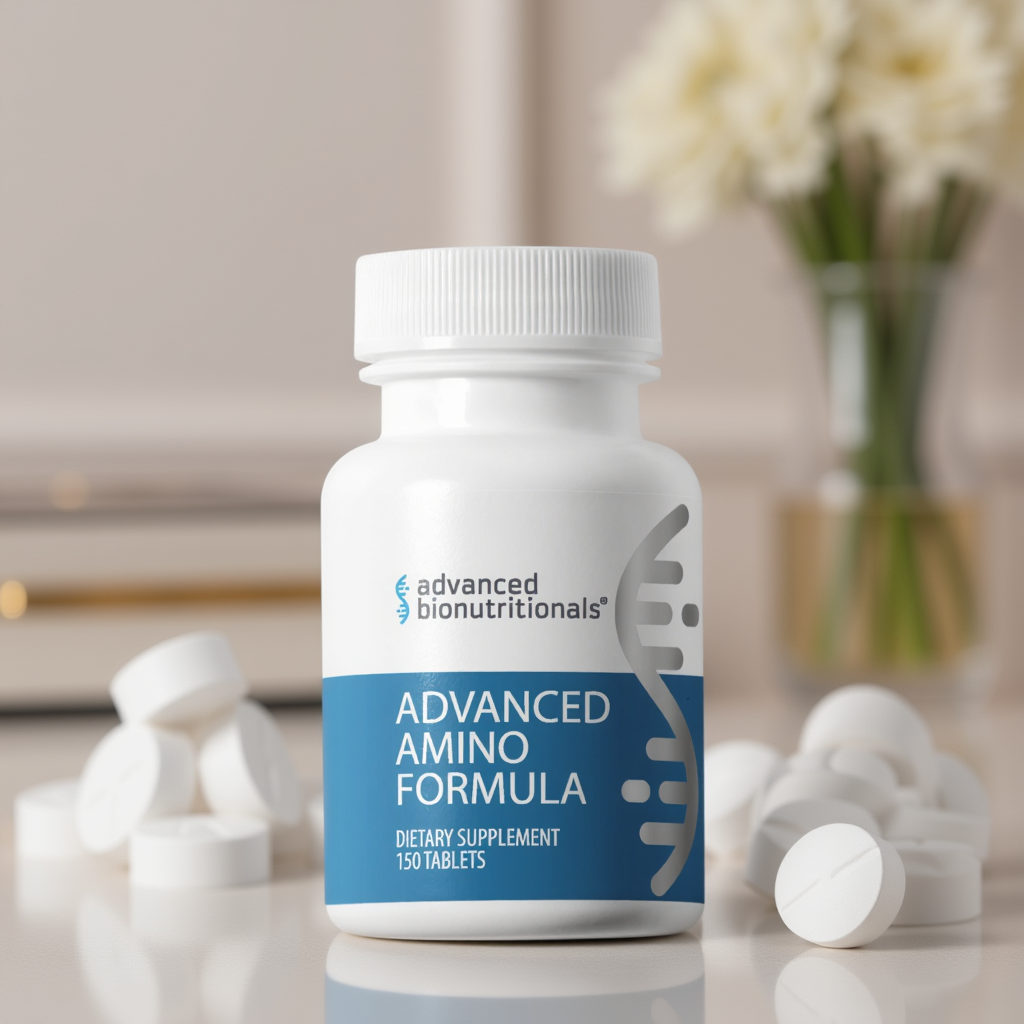
Advanced Amino Formula supplement bottle

See the manufacturer's official website for current packaging and details.

One option to review

One Option Worth Learning More About

Now that you know what essential amino acids are and why they matter, you may be curious what a formula focused specifically on them actually looks like in practice.

Advanced Amino Formula is a nutritional supplement designed to provide essential amino acids in a convenient format. It's one of the products active adults come across when they start reading about amino acid nutrition — and the one we chose to review for this guide.

As with any supplement, it makes sense to review the full ingredient list, the directions for use, the current pricing and the manufacturer information before deciding whether it's appropriate for you.

This page is an independent educational resource. It is not the official product website and is not operated by the manufacturer.

Explore the Amino Acid Formula

View ingredients, directions and current pricing on the manufacturer's website.

A quick check

Who Usually Looks Into Essential Amino Acids?

  • Adults 50+ who want to stay physically active
  • People who exercise or walk regularly
  • Readers interested in healthy aging
  • Anyone curious about essential amino acids
  • People who already pay attention to protein intake
  • Shoppers comparing different nutritional options

No supplement is appropriate for everyone. If you're unsure whether amino acid supplementation fits your situation, speak with a qualified healthcare professional first.

Questions

Simple Answers to Common Questions

What are essential amino acids?
Amino acids are the components that make up protein. Nine of them are described as “essential” because the body cannot produce enough of them on its own, so they need to come from the diet or from supplementation.
Is this a protein powder?
No. Amino acid supplements are not the same as protein powders. Protein powders supply whole protein that the body breaks down, while amino acid products supply amino acids directly, usually in much smaller serving sizes. Always review a specific product's own label and directions.
Who typically uses amino acid supplements?
They are commonly used by people who exercise, by adults who are paying closer attention to their protein intake, and by people who want to complement the nutrition they already get from food. They are not appropriate for everyone.
Should I talk to my healthcare provider?
Yes. People who are pregnant, nursing, taking medications, managing a medical condition, or unsure whether a supplement is appropriate should consult a qualified healthcare professional before starting any new supplement.

Interested in Learning More?

Review the complete formula, ingredients, usage information, current pricing and manufacturer details before making your decision.

The link above is an affiliate link to the manufacturer's website.